
Best Used Cars for Florida's Heat and Humidity (2026 Buyer's Guide)
Eduardo Nabut reveals which used cars handle Florida's heat best — reliable A/C, durable cooling systems, UV-resistant interiors, and what to inspect for heat damage.
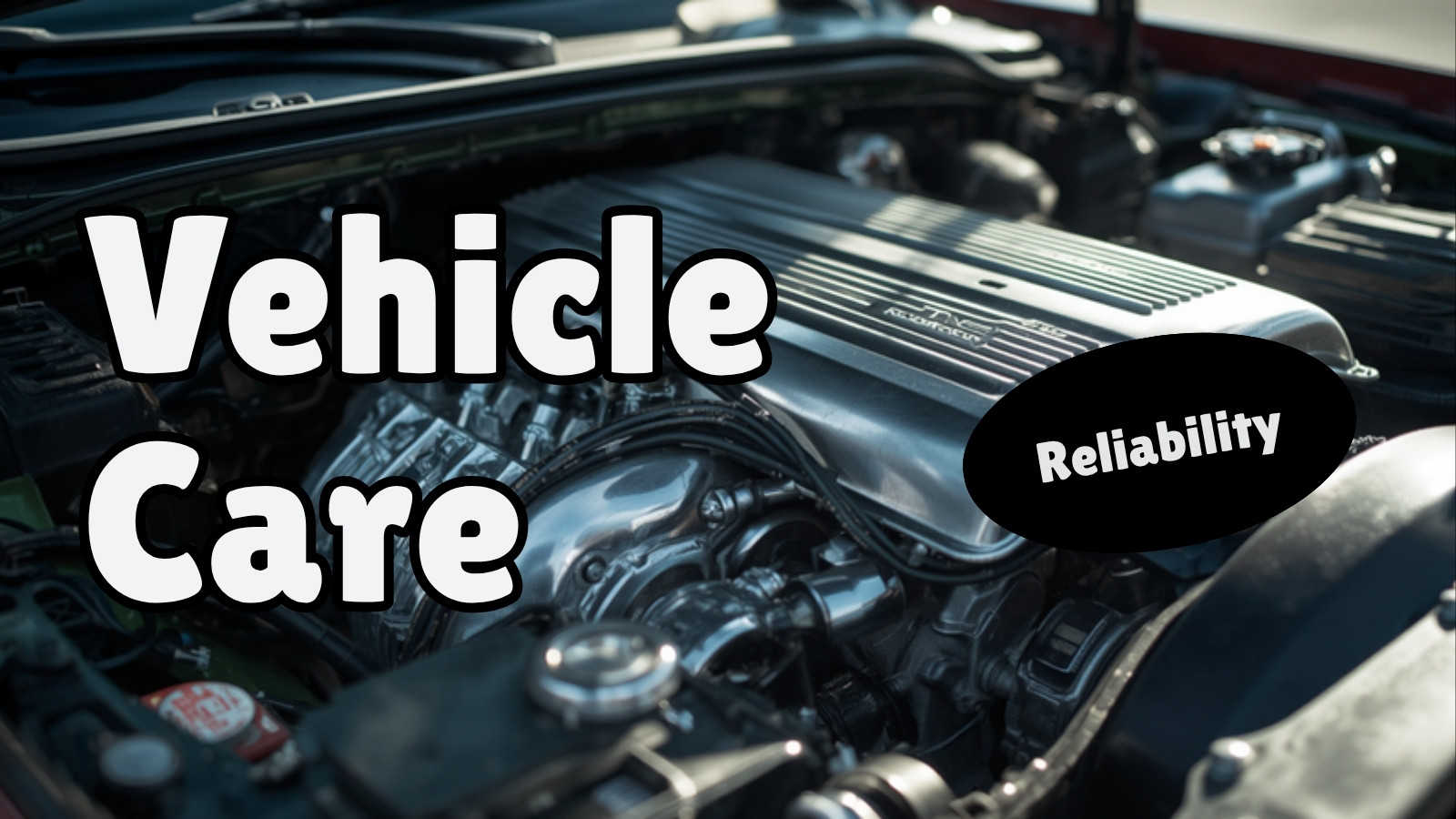
Best Used Cars for Florida's Heat and Humidity (2026 Buyer's Guide)
Ten years selling used cars in Orlando has taught me something that out-of-state buyer's guides rarely acknowledge: Florida does not just test an engine — it tests every rubber seal, every cooling hose, every inch of dashboard plastic, and most certainly the air conditioning compressor. A car that performs flawlessly in Denver can become an expensive liability in Central Florida within two summers.
This guide reflects what I see in our inventory every week at Next Gear Remarketing. I will cover the models that genuinely hold up in our climate, the specific components to inspect before you commit to any used car in Florida, and the maintenance habits that keep a Florida vehicle running reliably well past 150,000 miles.
What Florida's Climate Does to a Used Car
Central Florida averages over 230 sunny days per year. Summer temperatures routinely hit 95°F — and the interior of a parked car with a dark exterior and no shade can exceed 160°F. Humidity stays above 70% for most of the year. That combination stresses a vehicle in very specific and predictable ways.
Air conditioning systems work harder and longer in Florida than in virtually any other state. Compressors that might last 150,000 miles in the Midwest can need replacement at 80,000–100,000 miles here because the system runs almost year-round, not just during summer months.
Car batteries die faster. Heat accelerates the internal chemistry that causes battery failure. In northern states, a battery commonly lasts 5–7 years. In Florida, 3–4 years is realistic — and some batteries fail even sooner in extreme cases.
Dashboard and interior plastics crack and fade from ultraviolet radiation. Open the door of a Florida car that spent five years parked outdoors and you will immediately see UV damage that a Chicago car of the same year and mileage will not have.
Rubber components deteriorate faster. Coolant hoses, serpentine belts, door seals, and weatherstripping all age more rapidly under constant UV exposure and daily heat cycling from ambient temperatures up to 160°F cabin heat.
Paint and clear coat fade prematurely on cars with lower UV resistance, especially darker colors that absorb rather than reflect solar energy.
Understanding these specific failure modes is why model selection matters so much in Florida. Some manufacturers engineered their cooling systems, interior materials, and A/C units for extreme climates. Others did not.
Used Cars That Hold Up Best in Florida's Heat and Humidity
After more than 4,000 vehicles sold at Next Gear Remarketing since 2016, these are the models I consistently recommend for Central Florida buyers:
Toyota Camry (2012–2019)
The Camry is my first recommendation, and not only because of engine durability. Toyota's A/C systems are among the most robust in the segment. The 2.5L four-cylinder runs at a lower sustained operating temperature than most competitors, which reduces thermal stress on surrounding components — hoses, belts, and cooling system parts last longer as a result. The interior materials, even on base LE trims, use UV-stabilized plastics that resist sun damage far better than the average. On 2015–2019 models especially, dashboard cracking is genuinely uncommon even on high-mileage Florida cars.
Toyota Corolla (2014–2019)
The same engineering philosophy as the Camry in a smaller, more efficient package. The 1.8L engine generates less heat under sustained load, which reduces thermal stress on all surrounding components. The Corolla's A/C is consistent and parts are available at every shop in Orlando. If a Corolla's A/C needs a recharge, plan on $150–$200. If a compressor is needed, parts are competitively priced and labor is fast because every mechanic in the area knows these cars.
Lexus ES (2013–2018) and Lexus IS (2014–2018)
Lexus is Toyota with higher-grade interior materials and more engineering attention to long-term comfort — both of which matter when you are sitting in Florida heat every single day. The ES 350's climate control system is dual-zone, genuinely effective, and cools a hot cabin faster than most competitors. The leather and dashboard materials are spec'd for UV exposure at a level that standard Toyota trims do not match. A used Lexus ES in the $12,000–$18,000 range with 80,000–110,000 miles is one of the best value buys in the Orlando market for someone who wants climate durability above all else.
Honda Accord (2013–2018)
Honda builds A/C systems that hold up well over time. The 2.4L four-cylinder runs a conservative operating temperature and Honda's cooling system components — radiator, water pump, thermostat — have consistently strong track records for longevity. The Accord's interior on EX and higher trims uses materials that resist UV fading better than budget segment alternatives. One point to verify on 2013–2015 V6 models: confirm the A/C compressor shows no signs of leaking, as this was a documented issue on some of those units.
Honda Civic (2014–2019)
The smaller engine produces less heat and stresses cooling components less, giving the Civic an advantage in long-term component durability. A/C performance is solid and the 2016 redesign improved interior quality significantly — 2016–2019 Civics hold up visually much better in Florida sun than pre-2016 examples. When inspecting an earlier Civic, check the dashboard carefully for UV-related surface fading and hairline cracking under the windshield.
Mazda3 and Mazda6 (2015–2019)
Mazda's SkyActiv engines are tuned to run at optimal temperatures and the cooling systems are well-engineered for longevity. What I particularly value for Florida buyers is Mazda's interior quality: the seat fabrics, dashboard materials, and synthetic leather surfaces resist UV fading better than most vehicles in the same price bracket. The Mazda6 carries a larger A/C system than the Mazda3, making it the better choice for buyers who prioritize fast cabin cooling in summer heat.
Hyundai Sonata (2015–2019)
A well-maintained Sonata performs reliably in Florida heat. The 2.4L GDi engine runs clean, the A/C units in this generation are effective, and parts availability across the Orlando metro is strong. Stick to 2015 and newer to avoid the documented engine concerns in earlier production years. Confirm that the A/C has been serviced and the coolant flushed within the last two to three years — these are inexpensive services that make a real difference in longevity.
What to Inspect for Heat Damage on Any Florida Used Car
Regardless of model, these are the climate-specific checks to run on any used car in Central Florida before you sign anything:
Air Conditioning — Florida's Non-Negotiable
Test the A/C before you test anything else. Set it to maximum cold with the windows closed and time it: vent temperatures should drop below 45°F within three minutes in a properly functioning system. Weak cooling points to low refrigerant (often a sign of a leak), a struggling compressor, or a clogged condenser. A non-functional A/C in Florida is not a minor inconvenience — it is a $600–$2,500 repair and a daily safety concern in summer. Make proper A/C function a firm condition of purchase, not a negotiating chip.
Cooling System — Hoses, Coolant, and Radiator
Ask when the coolant was last flushed and the hoses inspected. In Florida's heat, coolant hoses degrade roughly 30% faster than in cooler climates. Squeeze the upper and lower radiator hoses by hand — they should be firm and flexible, not soft, crumbly, or cracked on the surface. Check the coolant color in the reservoir: orange or green is correct depending on the coolant type. Brown or cloudy coolant indicates neglect and potential internal corrosion that will eventually show up as a repair bill.
Battery — Plan for Florida's Shortened Lifespan
If the battery is more than three years old and has unknown history, expect to replace it. A mechanic can test it in two minutes with a battery analyzer — anything under 60% capacity is on borrowed time in Florida heat. Budget $120–$200 for a quality replacement battery. Do not buy a used car and defer this; a dead battery in a summer parking lot is a certainty if the battery is borderline.
Interior: Dashboard, Plastics, and Door Seals
Check the dashboard directly under the windshield — this is where UV damage appears first. Fine hairline cracks mean the plastic has dried out from years of direct sun. Severe cracking means the car sat outdoors without protection for extended periods. Also run your hand along the door and window seals: if the rubber feels brittle or crumbles slightly at the edges, it will leak water during Florida's daily afternoon rainstorms.
Paint and Clear Coat — Choose Light Colors Deliberately
Walk the exterior in direct sunlight and look at the paint from a shallow angle. Oxidized paint has a chalky, flat appearance that polishing cannot fully restore. Clear coat failure shows as flaking or bubbling patches. Light exterior colors — white, silver, light gray — hold up significantly better in Florida sun than dark colors. A white Camry maintained outdoors will look five years younger than an identically maintained black one after three Florida summers.
Florida Maintenance Tips to Protect Your Investment
Owning a car in Central Florida requires adjustments to standard maintenance intervals:
- A/C service every two years — have the refrigerant level checked and the cabin air filter replaced. A clogged cabin filter reduces cooling efficiency and makes the compressor work harder than necessary.
- Battery test annually after year three — do not wait for failure. A $15 battery capacity test at any auto parts store is the only warning you will get before it dies on you.
- Coolant flush every three years — heat accelerates coolant breakdown and internal corrosion. Skipping this leads to a preventable overheating event down the road.
- Windshield sunshade, always — this single item reduces cabin temperature by 20–40°F and dramatically slows dashboard and interior aging from UV radiation.
- Ceramic window tint — reduces A/C load, protects interior from UV, and makes a 95°F drive genuinely manageable. It is the best aftermarket investment you can make for a Florida car.
- Tire pressure checked monthly — Florida heat causes pressure to fluctuate more than in cooler climates. Under-inflated tires in summer heat are a real blowout risk on the highway.
- Park in shade whenever possible — UV exposure is cumulative. Every hour of covered parking you log adds up over the years.
FAQ
Which used cars hold up best in Florida's heat and humidity?
Toyota Camry, Toyota Corolla, Honda Accord, and Honda Civic consistently perform best in Central Florida's climate. They combine proven A/C durability, reliable cooling systems, and interior materials that resist UV degradation better than most competitors. Lexus ES and IS models offer premium climate durability at a slightly higher price point. Mazda3 and Mazda6 are strong value alternatives. All of these models have excellent parts availability across the Orlando area, which keeps repair costs competitive.
How often should I service the A/C on a used car in Florida?
In Florida, have the A/C system inspected and the refrigerant level verified every two years — not every four years as general maintenance guidelines suggest. Also replace the cabin air filter every 12,000–15,000 miles. If the A/C begins to blow slightly warm before the two-year mark, address it immediately. A refrigerant recharge from a small leak costs $150–$300. A compressor replacement because that leak went unaddressed for two more years costs $800–$2,500.
How long does a car battery last in Florida's heat?
Expect 3–4 years in Central Florida, versus 5–7 years in cooler climates. Heat accelerates the sulfation and internal plate corrosion that cause battery failure. When evaluating any used car in Florida, ask when the battery was last replaced. If the answer is unknown or it has been more than three years, plan for replacement within the next 12 months and factor that into your negotiation.
What are the signs of heat damage to look for on a used Florida car?
Check the dashboard under the windshield for hairline cracks or UV fading. Run your hand along door and window rubber seals — brittle or crumbling rubber means water intrusion risk during Florida rainstorms. Look at the paint in direct sunlight at a shallow angle for oxidation or clear coat failure. Test the A/C for five minutes at maximum — it must actually blow cold. Squeeze the radiator hoses; they should be firm, not soft or cracked. Check the coolant: brown or cloudy color means the cooling system has been neglected.
Does exterior color matter when buying a used car in Florida?
Yes, substantially. Dark exterior colors absorb more solar energy, raising interior cabin temperatures and accelerating paint, dashboard, and interior degradation. A black car parked in full Florida sun can reach an interior temperature 20–30°F higher than a white car in the same conditions. All else being equal, white, silver, or light gray are meaningfully better choices for Florida ownership — both for daily comfort and for long-term vehicle condition.
Find Your Florida-Ready Car at Next Gear
Not every used car that shows up on an Orlando lot was built — or maintained — to handle what Central Florida actually puts vehicles through. At Next Gear Remarketing, we have been sourcing and evaluating used vehicles in this market since 2016. We know which cars hold up here and which do not.
Every vehicle comes with a free VIN history report so you know what it has been through before you decide. All prices include tax, tag, title, and the dealer fee — fully transparent under Florida law (F.S. 501.976). We offer in-house financing for all credit backgrounds, including buyers with ITIN, no credit history, and bad credit. Our team speaks English, Português, Español, and Kreyòl.
Browse current inventory — updated daily.
Apply for financing — soft pull only, no impact to your credit score.
We are at 5130 Old Winter Garden Rd, Orlando FL 32811. Call or text: (407) 434-1330 or (321) 662-7194.
— Eduardo Nabut, Owner, Next Gear Remarketing
Looking for a quality used car in Orlando?
We've helped the Brazilian, Hispanic and English-speaking communities find reliable vehicles for over 14 years.
Continue reading
How Much Should I Budget for Used Car Maintenance in Florida? (2026 Guide)
One question I hear just as often as 'what car should I buy' is 'how much will it cost me after I drive it off the lot?' Here are the real numbers for Orlando, broken down so you can plan before you buy.
Common Problems with Used Cars: What to Watch For Before You Buy
Ten years of selling used cars in Orlando showed me exactly which problems appear most often — and which ones drain buyers who skipped the inspection. Here is the full breakdown by system and mileage.

How to Avoid High-Interest Used Car Loans in Orlando (2026 Guide)
The price of the car is only half the story — the interest rate is where most buyers quietly overpay by thousands. Here is exactly how rates are set and what you can do to push yours lower.